When I walk through the factory fields at East African Portland Cement, I don't just see a production plant. I see a canvas for a new kind of story. A story not of machines and dust, but of climate, carbon, and radical possibility.
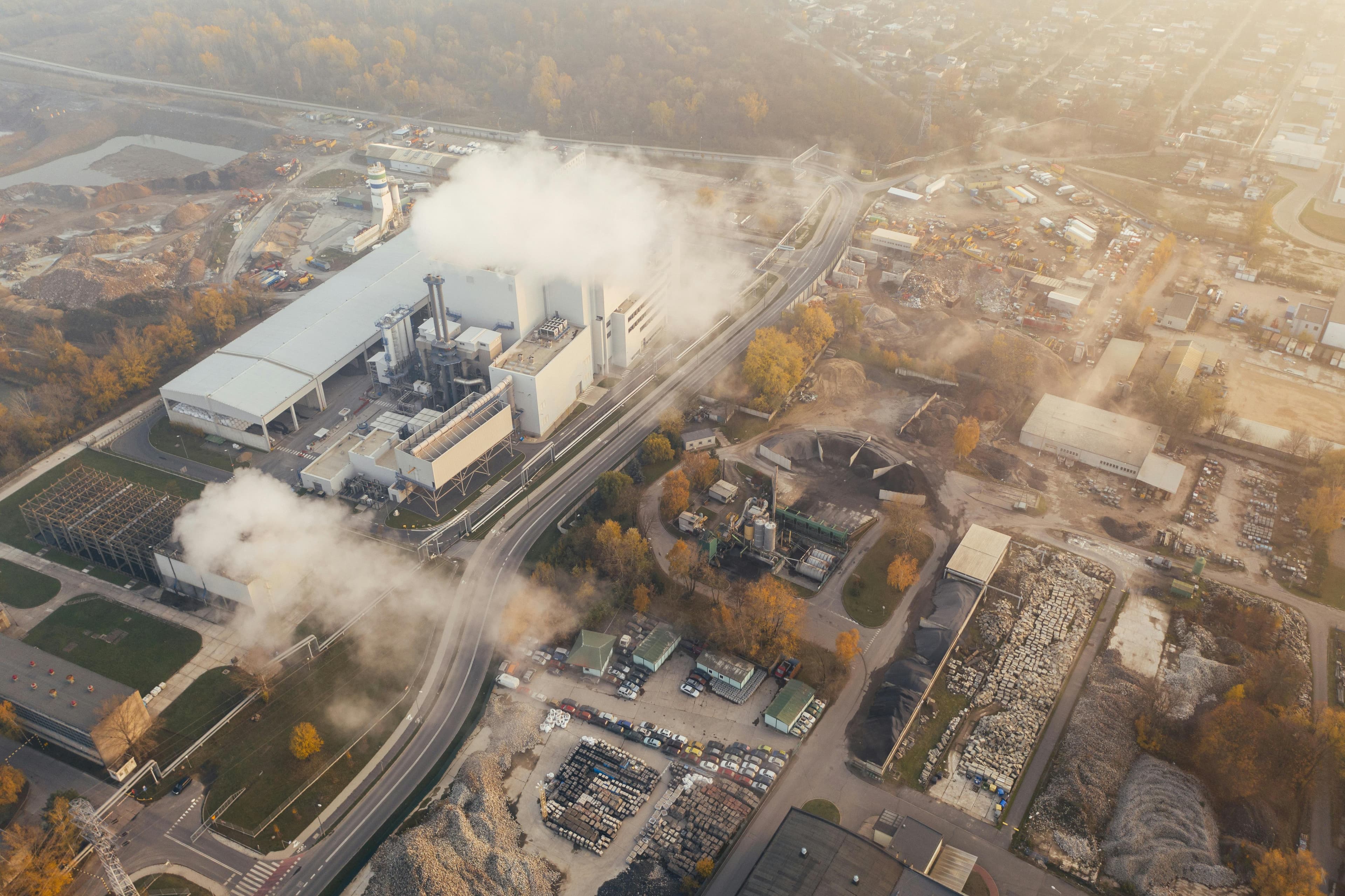
01. Field observations at East African Portland Cement.
In the silence of those kilns and the smell of raw material, I keep asking:
"What if this cement could tell a different story? One that heals the planet instead of just building it?"
For months, I have been working with passionate teams—WakaGram researchers, field experts, and bold thinkers—to draft a methodology for low-carbon cement. A product not just of calcium and clay, but of climate accountability.
The Power of Biochar
Then comes biochar, the hidden power in our agricultural waste. From coffee husks in Central to sugarcane stalks in Nyanza, I see a network of carbon wealth lying in our soil, our dust, our waste.
“Enrich cement with biochar. Cut emissions. Capture carbon. Turn cement into climate currency.”
The Hard Truth
Many African institutions are not ready for the innovation they desperately need. The red tape is real. But here is how we respond:
A Declaration
Africa has what the world needs: land, biomass, brilliance.
Climate deals are not a favor — they are investments with returns.
I am an architect of sustainable value chains and a broker of regenerative opportunities.
Let’s Build Bold Things
If you're a developer, investor, or visionary looking to build in Africa's green space—let's talk.